
Guide
Planning a polyhouse project: a step-by-step checklist
A practical checklist for planning a polyhouse: crop and market, site, water, power, design, documentation, construction and the first crop.
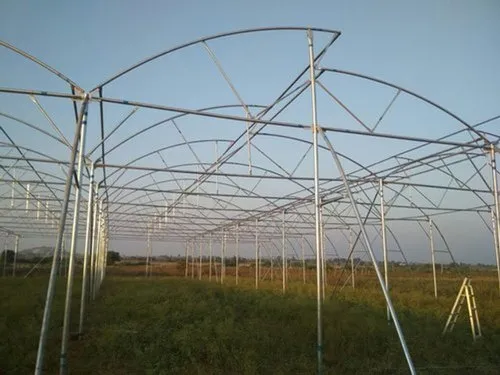
A polyhouse is a long-term investment. Good planning before construction saves money and avoids a first crop that disappoints. Use this checklist as you prepare.
1. Start with the crop and the market
Decide what you will grow and who will buy it. The crop decides the structure, ventilation, height and irrigation, not the other way round. Talk to buyers and growers in your area.
2. Check the site
- Level or gently sloping land with good drainage
- Access for trucks delivering material
- Orientation and wind exposure
- No shading from trees or buildings
3. Water and power
Protected crops need a reliable water supply of suitable quality. Get the water tested before you plan fertigation or cooling. Fans and pumps need a dependable power connection.
4. Choose the structure
Naturally ventilated polyhouses suit most moderate climates. Hot, dry regions may need fan-and-pad cooling. Heavy-rain areas may suit tunnel designs. Nurseries may only need shade net houses.
5. Paperwork and finance
If you plan to apply to a horticulture department scheme or a bank, find out early what documents they need. We supply quotations, drawings and technical details. The department or bank decides approval.
6. Construction
Agree the schedule, site preparation and responsibilities in writing. Our crews set anchors, erect the frame and fix covers, then hand over the house with basic care instructions.
7. The first crop
Plan training for whoever will manage the crop. Protected cultivation needs daily attention to ventilation, irrigation and pests.
Ready to start? Tell us about your project.
More guides
Keep reading
Polyhouse vs shade net house: which one does your crop need?
Compare polyhouses and shade net houses on climate control, rain protection, cost, crops and maintenance, and learn which suits your farm and region.
What decides the cost of a polyhouse?
What drives polyhouse cost in India: area, design, height, cover, cooling, irrigation, site work and logistics, plus how to compare quotes fairly.
From requirement to quote
Tell us what you want to grow.
Share your crop, location and plot size. We reply with questions, a suggested structure and an itemised quote.